
What’s in This Guide
- Why Professional Flooring Installation Makes a Difference
- What Happens Before Installation Begins?
- How Do Floor Installers Near Me Complete the Project?
- Which Flooring Types Require Different Installation Methods?
- How Should You Prepare Before Installation Day?
- What Can Affect the Installation Timeline?
- Which Questions Should You Ask Flooring Installers Near Me?
- Common Mistakes to Avoid When Hiring Installers
- Frequently Asked Questions
- Hire Flooring Professionals With Confidence
Quick Facts
- Professional flooring installation improves fit, safety, and long-term performance.
- Subfloor preparation and proper installation matter as much as material choice.
- Timelines depend on flooring type, room size, and curing needs.
- Comparing experience, warranties, cleanup, and care guidance helps homeowners choose the right installer.
New flooring significantly enhances a home, but long-term performance depends on proper preparation, precise installation, and attention to detail.
While homeowners often focus on styles and pricing, understanding the installation process helps set realistic expectations and evaluate contractors.
This guide explains what professional installation involves, how to prepare your home, and how to choose experienced installers in Patterson, NY.
Why Professional Flooring Installation Makes a Difference
Quality installation influences the appearance, comfort, and lifespan of every type of flooring. Even premium materials may underperform if they are installed incorrectly.
Better Long-Term Performance
Proper installation helps flooring remain stable under everyday use. Correct preparation, accurate measurements, and manufacturer-approved installation methods all contribute to a floor that performs well for years.
More Accurate Material Fit
Professional installers carefully measure rooms, plan layouts, and minimize unnecessary material waste. Thoughtful planning also helps create balanced seams, cleaner transitions, and a more polished finished appearance.
Improved Safety and Stability
Uneven flooring, loose edges, or poorly finished transitions can become trip hazards over time. Professional installation helps create a level surface that feels secure throughout the room.
Manufacturer Warranty Protection
Some flooring manufacturers require products to be installed according to specific guidelines for warranty coverage. Following these requirements helps protect your investment should issues arise later.
What Happens Before Installation Begins?
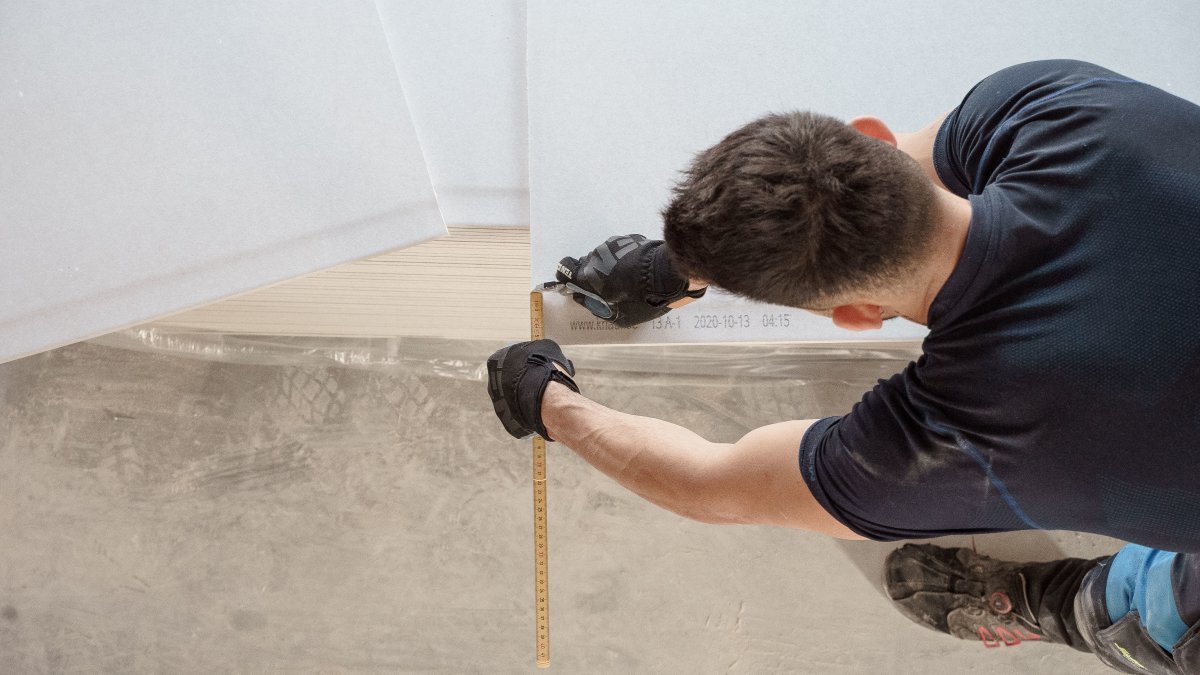
Successful flooring projects begin long before new materials arrive. Proper planning reduces delays and helps avoid unexpected issues during installation.
Measuring the Space
Accurate room measurements determine how much flooring is needed while helping reduce unnecessary waste. Measuring also allows installers to plan seam locations, layout direction, and material quantities.
Evaluating the Subfloor
Every finished floor depends on a stable foundation. Installers inspect the subfloor for uneven areas, moisture concerns, damage, or movement that could affect long-term performance.
Choosing the Right Materials
Different rooms have different requirements. Moisture exposure, foot traffic, maintenance expectations, and household lifestyle all influence which flooring material may be the best fit.
Scheduling the Project
Project scheduling considers material availability, room preparation, installation time, and any curing or drying periods required before the space can return to normal use.
Preparing the Work Area
Before installation begins, furniture, décor, and fragile items should be removed whenever possible. Providing installers with a clear workspace allows the project to progress more efficiently.
How Do Floor Installers Near Me Complete the Project?
Once preparation is complete, the installation process follows a series of organized steps designed to create a durable finished floor.
Remove Existing Flooring
Old flooring, underlayment, trim, or adhesives are removed as needed to expose the subfloor. The amount of demolition varies depending on the existing material and overall project scope.
Prepare and Repair the Subfloor
Cleaning, leveling, repairing damaged areas, or installing moisture barriers may all be part of the preparation process. These steps create a stable foundation for the new flooring.
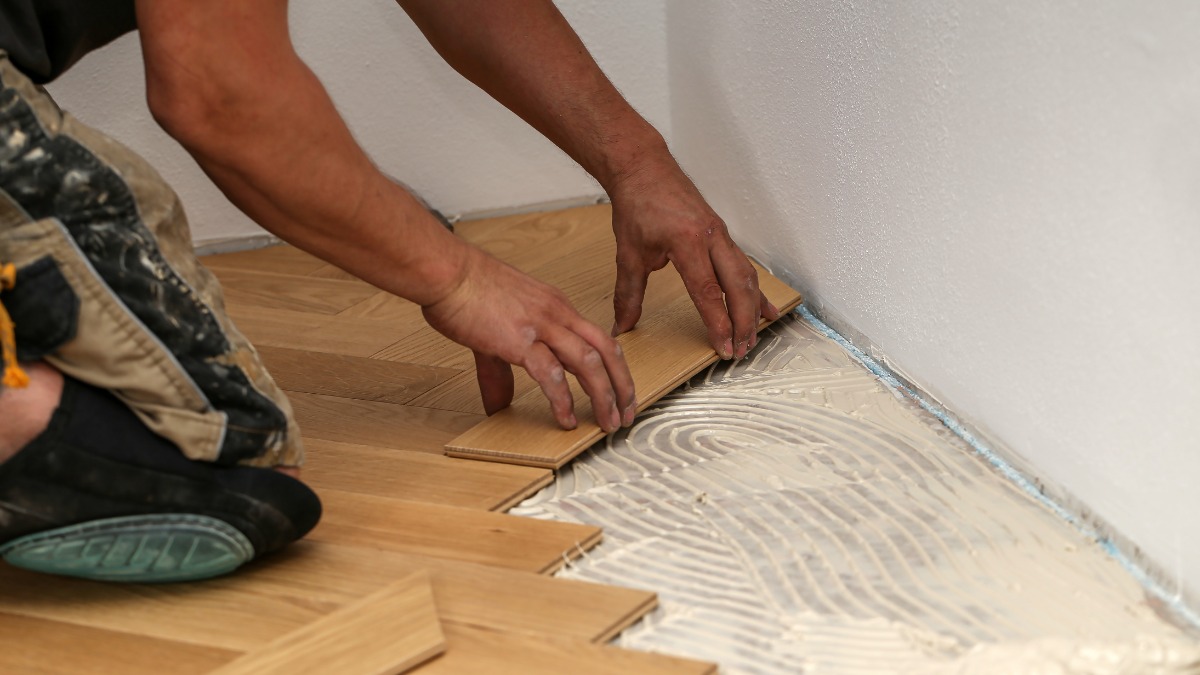
Install the New Flooring
Professional floor installation services follow installation methods recommended for the selected flooring material. Proper spacing, alignment, fastening, or adhesive application all contribute to long-term durability.
Finish Edges and Transitions
Baseboards, trim pieces, reducers, thresholds, and transition strips complete the installation while creating smooth connections between rooms and flooring types.
Complete the Final Inspection
Before the project is finished, installers inspect the completed floor for alignment, consistency, and overall appearance. Many homeowners searching for flooring installation nearby appreciate having an opportunity to review the work before considering the project complete.
Which Flooring Types Require Different Installation Methods?
Every flooring material has unique installation requirements. Understanding these differences helps homeowners know what to expect before work begins.
Hardwood Flooring
Hardwood requires careful acclimation before installation so the boards can adjust to the home’s indoor conditions. Proper spacing also allows the wood to expand and contract naturally as humidity changes throughout the year.
➤ YOU MIGHT ALSO LIKE: How Much Does It Cost to Install 1,000 Sq Ft of Hardwood Floors?
Luxury Vinyl Flooring
Luxury vinyl is valued for its water resistance and versatility. Depending on the product, installation may involve click-lock joints, glue-down methods, or loose-lay systems. A smooth, level subfloor is especially important because imperfections beneath the surface may become visible after installation.
Laminate Flooring
Laminate flooring is commonly installed as a floating floor. Expansion gaps around walls and fixed objects help the material respond to normal seasonal movement without creating buckling or gaps.
Tile Flooring
Tile installation usually includes setting materials, grout, and curing time before the floor is ready for full use. Proper spacing, leveling, and grout application all contribute to a durable finished surface.
Carpet Installation
Carpet requires a properly prepared subfloor along with padding suited to the room’s intended use. Stretching the carpet correctly helps minimize wrinkles and improves long-term appearance.
How Should You Prepare Before Installation Day?
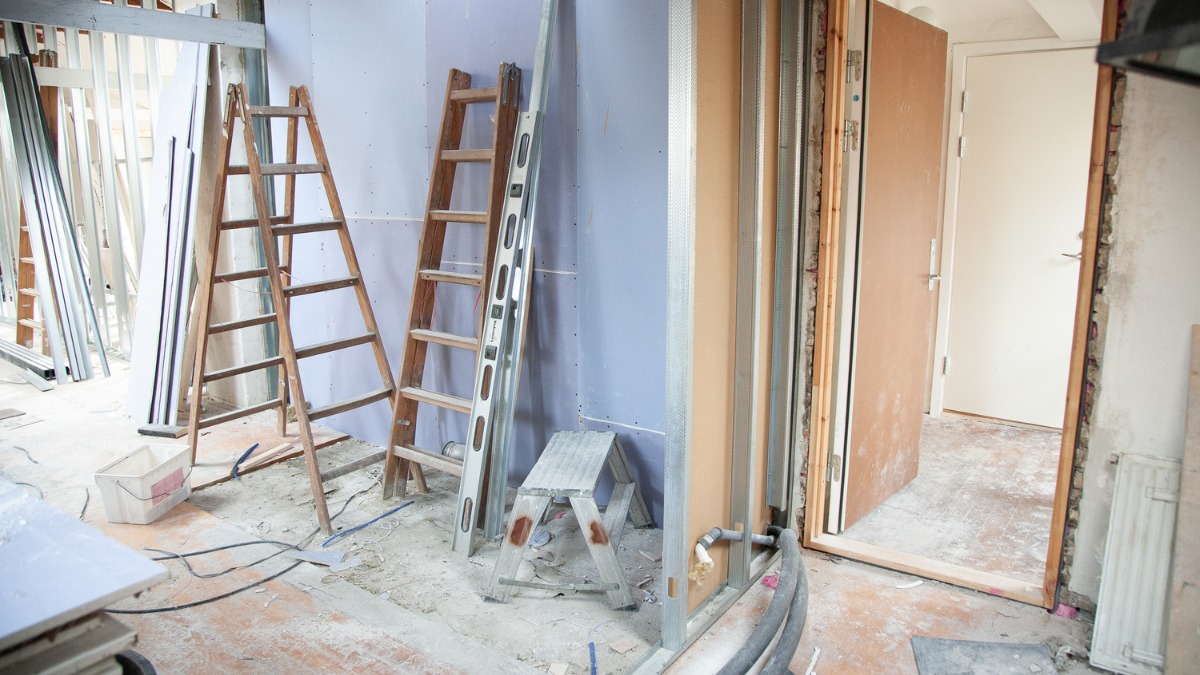
Preparing your home before the crew arrives can help the installation progress more efficiently while reducing interruptions.
Move Furniture and Personal Items
Removing furniture, decorations, electronics, and fragile belongings provides installers with a safe and accessible workspace. Smaller personal items should also be packed away to prevent accidental damage.
Plan Access for the Crew
Clear walkways, unlocked entry points, and available parking help installers move materials and equipment efficiently. Discussing access details beforehand can help avoid unnecessary delays on installation day.
Protect Nearby Rooms
Although professional crews work carefully, nearby rooms may experience dust or increased foot traffic during installation. Covering furniture or closing doors to unused rooms can help minimize cleanup afterward.
Keep Pets and Children Safe
Power tools, flooring materials, and ongoing construction can create hazards for pets and young children. Planning for them to remain away from the work area helps improve safety for everyone.
Confirm Project Details
Before work begins, review the flooring layout, material selection, transition locations, and project schedule with the installer. Confirming expectations early helps reduce misunderstandings later.
What Can Affect the Installation Timeline?
Project length varies depending on several factors beyond the size of the room.
Flooring Material
Some flooring products install more quickly than others. Materials that require adhesives, grout, or curing periods generally take longer before the room is ready for normal use.
Room Size and Layout
Larger rooms naturally require more installation time. Complex layouts, closets, staircases, and multiple transitions may also increase the project's duration.
Subfloor Condition
Uneven surfaces, moisture concerns, or structural repairs discovered during preparation may add time to the installation schedule. Correcting these issues first helps improve the long-term performance of the finished floor.
Drying or Curing Requirements
Certain adhesives, grout, finishes, or sealers require curing time before furniture can be returned or heavy foot traffic resumes. Following these recommendations helps protect the new flooring.
Weather and Indoor Humidity
Temperature and humidity can influence how some flooring materials perform during installation. Homeowners searching for floor installers nearby should understand that installers may recommend acclimation periods or schedule adjustments when environmental conditions require them.
Which Questions Should You Ask Flooring Installers Near Me?
Asking the right questions before hiring a contractor helps you understand the installation process and compare companies more effectively. Clear communication also reduces the chance of unexpected issues during the project.
Experience With Your Flooring Type
Not every installer specializes in every flooring material. Ask whether they have experience installing the specific product you selected, whether it is hardwood, luxury vinyl, laminate, tile, or carpet.
A Detailed Written Scope of Work
A written estimate should explain what is included in the installation, such as removal of existing flooring, subfloor preparation, trim work, transitions, cleanup, and project timelines. Homeowners comparing flooring installers nearby should review the scope carefully instead of focusing only on price.
Warranty Coverage
Ask what workmanship warranty is provided and whether the installation follows the manufacturer's requirements for product warranty eligibility. Understanding these details before work begins helps set clear expectations.
Cleanup and Disposal
Clarify whether the installer will remove old flooring, dispose of construction debris, and perform final cleanup after installation. Knowing these details ahead of time prevents confusion on the last day of the project.
Care After Installation
Every flooring material has different maintenance recommendations. Ask how long to wait before moving furniture back, when normal foot traffic can resume, and what cleaning products are recommended for the new floor.
Common Mistakes to Avoid When Hiring Installers
Careful planning helps homeowners avoid common issues that can affect both the installation process and long-term performance.
Choosing Only by Price
The lowest estimate does not always provide the best value. Material quality, installation methods, preparation, and workmanship all contribute to the finished result.
Ignoring Subfloor Conditions
Installing new flooring over an uneven or damaged subfloor may shorten its lifespan. Correcting underlying problems first helps support better long-term performance.
Skipping Written Documentation
A written proposal should clearly outline the project scope, materials, schedule, warranty information, and payment terms. Clear documentation benefits both the homeowner and the installer.
Rushing Material Selection
Flooring should be selected based on the room’s purpose, maintenance expectations, moisture exposure, and design goals. Taking time to compare products often leads to a better long-term investment.
Forgetting Future Maintenance
Different flooring materials require different levels of care. Understanding routine maintenance before installation helps homeowners choose a floor that fits their lifestyle.
Frequently Asked Questions
How long does flooring installation usually take?
Project length depends on the flooring material, room size, and subfloor condition. Some installations can be completed in a day, while larger or more complex projects may take longer.
Should I stay home during the installation?
Many homeowners choose to remain available during the project in case questions arise. However, this depends on personal preference and the installer’s recommendations.
Can installers move furniture?
Some companies offer furniture moving as part of their floor installation services, while others ask homeowners to clear the space before work begins. Confirm this before installation day.
How soon can I walk on new flooring?
The answer depends on the flooring material and whether adhesives, grout, or finishes require curing time. Your installer will provide guidance based on the specific product being installed.
Will flooring installation create a lot of dust?
Dust levels vary depending on the type of flooring being removed and the amount of preparation required. Professional crews often use containment and cleanup methods to help minimize dust throughout the project.
Hire Flooring Professionals With Confidence
Finding the right contractor involves more than searching for floor installers near you or comparing prices online. A successful flooring project starts with experienced installation, quality materials, proper preparation, and clear communication from beginning to end.
If you’re looking for flooring installation near Patterson, NY, we provide professional floor installation services for a variety of flooring types.
Contact Pattersons Flooring Company to discuss your project, compare material options, and schedule a consultation tailored to your home.